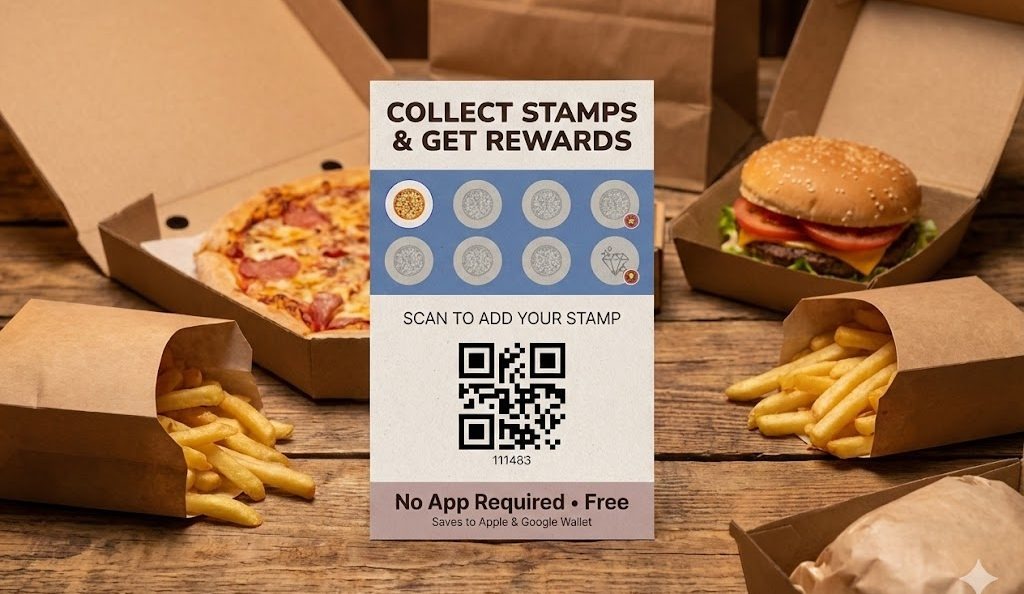
Localization feature page

Multilingual Sodiqlik Kartalar for International Mijozlar

7stamp can show sodiqlik kartalar in the mijoz's language, helping international businesses offer a local experience without building separate apps for each market.

The friction in multilingual sodiqlik is rarely the mukofot itself. It is the extra explanation when the karta, progress, or redemption steps are shown in a language the mijoz does not fully tushunish. A hamyon-birinchi karta that feels familiar in the mijoz's language removes that barrier at the moment of qo'shilish and qaytish.

Localized hamyon sodiqlik experience Useful for tourism and mixed neighborhoods Yo'q separate mijoz ilova One system across multiple audiences

Asosiy faktlar

Main job
Make the qo'shilish jarayoni, mukofot progress, and redemption logic easier to tushunish for mijozlar who do not all share one language
Eng mos holat
Hospitality, tourism, city-center retail, beauty, food service, and businesses with international or multilingual traffic
Mijoz impact
Less xodim explanation is needed when the sodiqlik karta reads naturally to the mijoz at a glance
Operational impact
The biznes keeps one sodiqlik system while serving multiple language audiences more cleanly
Oxirgi yangilanish

Why multilingual hamyon kartalar matter in real operatsiyalar

A translated mukofot is not just a branding extra. It reduces confusion at qo'shilish, at the counter, and at redemption when the biznes serves mixed mijoz groups.

01

Mijozlar tushunish the sodiqlik offer faster

The mukofot goal, shtamp count, and redemption state are easier to trust when the mijoz does not have to translate them mentally while standing at the counter.

02

Xodim spend less time re-explaining the basics

If the hamyon karta already speaks the mijoz's language, the team can focus on service instead of repeating the same sodiqlik explanation all day.

03

The same system can serve tourists and locals

One biznes can yordam regular neighborhood mijozlar and short-term visitors without splitting sodiqlik into separate operational tools.

04

The sodiqlik karta feels more premium and intentional

Localized language is one of the clearest ways to make a raqamli sodiqlik karta feel designed for the mijoz rather than merely translated as an afterthought.

How multilingual sodiqlik kartalar work

The goal is not to add complexity. It is to keep the same hamyon-birinchi experience while making the visible karta easier for different mijoz groups to tushunish.

  1. 1-qadam 01

    The biznes defines the sodiqlik sozlash once

    The mukofot logic, validation ish jarayoni, and qaytish strategy stay the same. What changes is how the mijoz-facing sodiqlik karta is presented.

    Mijoz side
    Mijozlar see a mukofot experience that is easier to follow in the language they tushunish best.
    Biznes side
    The biznes keeps the operating model stable while improving clarity for mixed audiences.
    The biznes defines the sodiqlik sozlash once
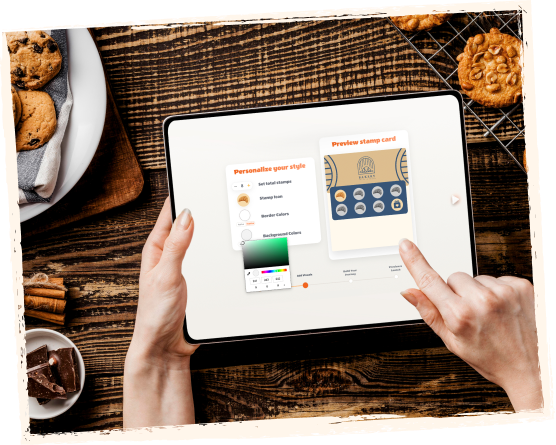
  2. 2-qadam 02

    Mijozlar qo'shilish through the usual QR or link flow

    There is still no separate mijoz ilova. The same hamyon qo'shilish point can serve multiple audience segments more cleanly.
    Mijoz side
    The qo'shilish jarayoni stays tez even when the audience is international or highly multilingual.
    Biznes side
    The team does not need a different counter ish jarayoni just because the mijoz baza speaks more than one language.
    Mijozlar qo'shilish through the usual QR or link flow
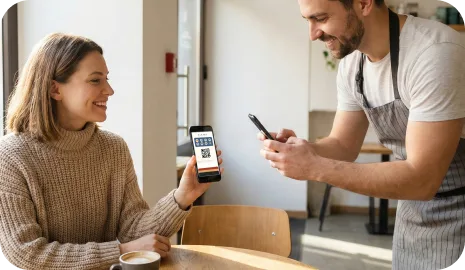
  3. 3-qadam 03

    The saved karta stays easier to o'qish between tashriflar

    Progress, mukofot state, and redemption instructions become clearer when the mijoz opens the karta later and reads it without translation friction.
    Mijoz side
    The karta stays useful on the second, third, and fourth visit because the meaning is still obvious.
    Biznes side
    Fewer misunderstandings appear when mijozlar come orqaga to redeem or ask how many shtamplar are left.
    The saved karta stays easier to o'qish between tashriflar
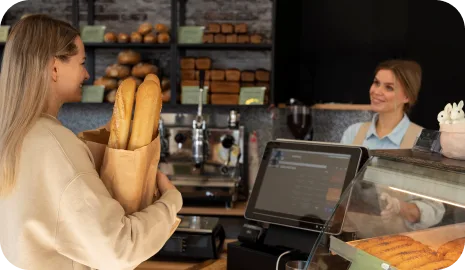
  4. 4-qadam 04

    The biznes scales the same sodiqlik model across locations or audiences

    Multilingual yordam becomes especially valuable when the brand serves city centers, travel areas, mixed neighborhoods, or multiple countries over time.
    Mijoz side
    Different mijoz groups still experience one coherent sodiqlik journey.
    Biznes side
    The biznes expands without forcing every new audience into the same one-language sodiqlik surface.
    The biznes scales the same sodiqlik model across locations or audiences

Where multilingual sodiqlik kartalar yaratish the clearest lift

The value is highest when one location serves mijozlar with different language preferences and xodim should not have to translate the sodiqlik flow manually on every visit.

01

Hospitality, tourism, and city-center foot traffic

Travel-heavy businesses benefit when visitors can still tushunish the mukofot logic quickly and saqlash the karta without friction.

02

Go'zallik, wellness, and personal service businesses

A premium service experience feels more polished when the sodiqlik karta speaks clearly to the mijoz after the appointment or visit.

03

Chakana savdo and takeaway in mixed neighborhoods

Frequent repeat tashriflar are easier to build when the sodiqlik karta feels locally relevant to more than one mijoz group.

Multilingual hamyon kartalar vs one-language sodiqlik

One-language sodiqlik can still work, but multilingual kartalar reduce explanation and trust friction when the biznes serves more than one audience in practice.

01

Mijoz clarity

Multilingual hamyon karta
Progress and mukofot logic are easier to tushunish across different audience groups
One-language sodiqlik sozlash
Some mijozlar need extra explanation or guesswork at qo'shilish and redemption
02

Xodim effort

Multilingual hamyon karta
Less repeated translation is needed at the counter or service desk
One-language sodiqlik sozlash
The team often becomes the language bridge for the sodiqlik flow
03

Eng mos holat

Multilingual hamyon karta
Tourism, mixed neighborhoods, city centers, and international brands
One-language sodiqlik sozlash
Single-language businesses where the mijoz baza is highly uniform
04

Scalability

Multilingual hamyon karta
One sodiqlik system can serve more than one audience more cleanly
One-language sodiqlik sozlash
Expansion often creates more friction as audience diversity grows

Multilingual sodiqlik kartalar bo'yicha tez-tez so'raladigan savollar

Do multilingual sodiqlik kartalar require a separate mijoz ilova?

Yo'q. The model stays hamyon-birinchi. Mijozlar qo'shilish by QR kodi yoki havolasi and saqlash the sodiqlik karta to Apple Hamyon or Google Hamyon without another ilova.

What businesses need multilingual sodiqlik most?

It is most useful for businesses with mixed local and international traffic, such as hospitality, tourism, city-center food service, beauty, retail, and travel-adjacent locations.

Does multilingual yordam change how mukofotlar are validated?

Yo'q. The mukofot logic and validation ish jarayoni can stay the same. The main change is that the mijoz-facing sodiqlik karta becomes easier to tushunish.

Can multilingual sodiqlik reduce xodim workload?

Ha. When the mijoz can already tushunish the offer, progress, and mukofot status on the karta, xodim spend less time repeating the same explanation.

Keyingi step

Turn this page into a live hamyon sodiqlik sozlash

Ishga tushirish one hamyon karta, one tozalash mukofot, and one validation ish jarayoni birinchi. 7stamp can boshlash sodda, then grow into voucherlar, reminders, kampaniyalar, and no-code integrations when the biznes is ready.