
Customers understand the loyalty offer faster
The reward goal, stamp count, and redemption state are easier to trust when the customer does not have to translate them mentally while standing at the counter.
Localization feature page
7Stamp can show loyalty cards in the customer's language, helping international businesses offer a local experience without building separate apps for each market.
The friction in multilingual loyalty is rarely the reward itself. It is the extra explanation when the card, progress, or redemption steps are shown in a language the customer does not fully understand. A wallet-first card that feels familiar in the customer's language removes that barrier at the moment of join and return.
Key facts
A translated reward is not just a branding extra. It reduces confusion at join, at the counter, and at redemption when the business serves mixed customer groups.
The reward goal, stamp count, and redemption state are easier to trust when the customer does not have to translate them mentally while standing at the counter.
If the wallet card already speaks the customer's language, the team can focus on service instead of repeating the same loyalty explanation all day.
One business can support regular neighborhood customers and short-term visitors without splitting loyalty into separate operational tools.
Localized language is one of the clearest ways to make a digital loyalty card feel designed for the customer rather than merely translated as an afterthought.
The goal is not to add complexity. It is to keep the same wallet-first experience while making the visible card easier for different customer groups to understand.
The reward logic, validation workflow, and return strategy stay the same. What changes is how the customer-facing loyalty card is presented.
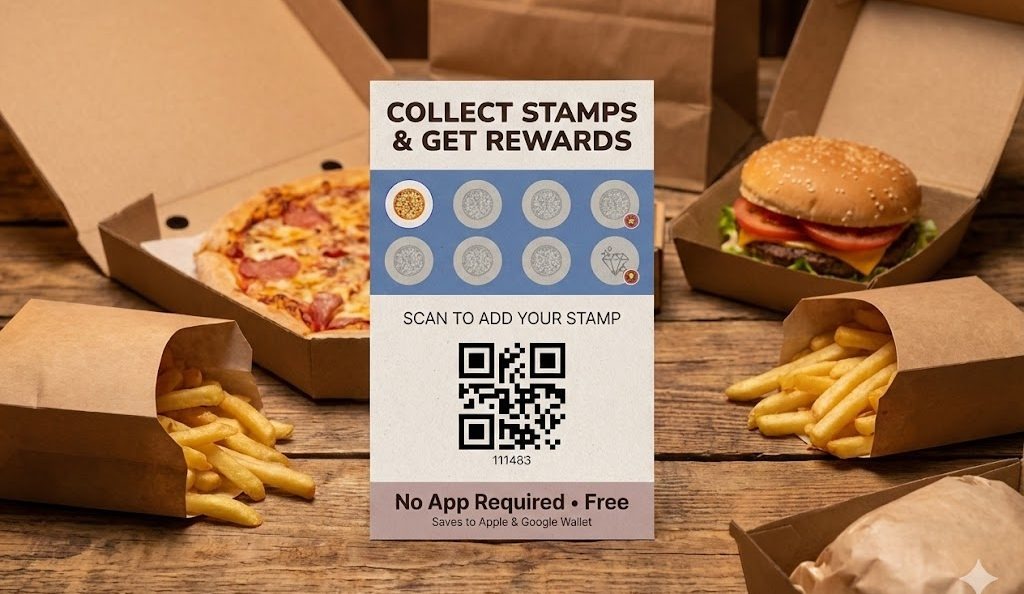
There is still no separate customer app. The same wallet join point can serve multiple audience segments more cleanly.
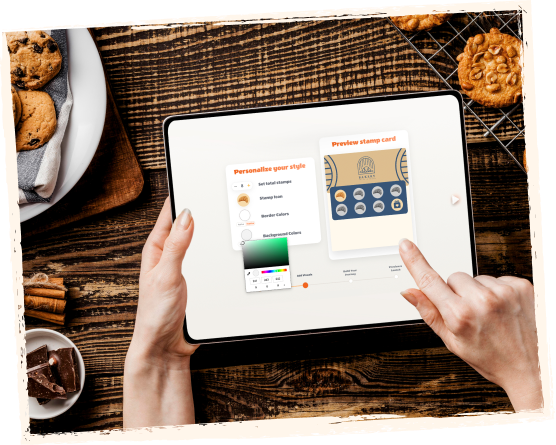
Progress, reward state, and redemption instructions become clearer when the customer opens the card later and reads it without translation friction.
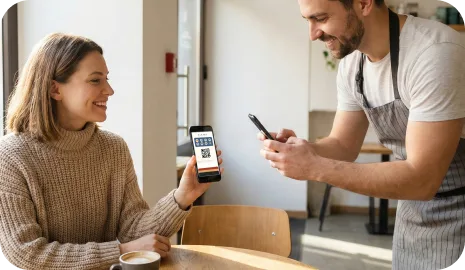
Multilingual support becomes especially valuable when the brand serves city centers, travel areas, mixed neighborhoods, or multiple countries over time.
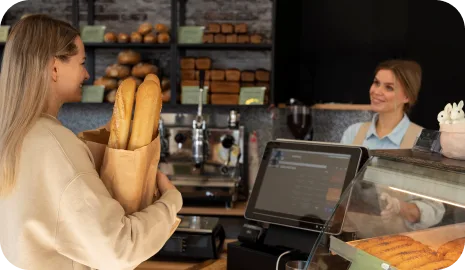
The value is highest when one location serves customers with different language preferences and staff should not have to translate the loyalty flow manually on every visit.
Travel-heavy businesses benefit when visitors can still understand the reward logic quickly and save the card without friction.
A premium service experience feels more polished when the loyalty card speaks clearly to the customer after the appointment or visit.
Frequent repeat visits are easier to build when the loyalty card feels locally relevant to more than one customer group.
One-language loyalty can still work, but multilingual cards reduce explanation and trust friction when the business serves more than one audience in practice.
No. The model stays wallet-first. Customers join by QR code or link and save the loyalty card to Apple Wallet or Google Wallet without another app.
It is most useful for businesses with mixed local and international traffic, such as hospitality, tourism, city-center food service, beauty, retail, and travel-adjacent locations.
No. The reward logic and validation workflow can stay the same. The main change is that the customer-facing loyalty card becomes easier to understand.
Yes. When the customer can already understand the offer, progress, and reward status on the card, staff spend less time repeating the same explanation.
Next step
Launch one wallet card, one clear reward, and one validation workflow first. 7Stamp can start simple, then grow into vouchers, reminders, campaigns, and no-code integrations when the business is ready.