Integration feature page

API, Webhooks and Zapier for 忠诚度 集成

When a 客户 receives a 印章, reaches a 奖励, or redeems a voucher, 7stamp can trigger a webhook or connect to external systems through API and automation tools.

否t every 业务 needs custom integration on day one. The practical value of API, Webhooks, and Zapier is that a brand can 开始 with zero-integration 忠诚度 第一, then connect 忠诚度 events to CRM, reporting, 支持, or 活动 systems only when it is worth the extra complexity.

API, Webhooks, and Zapier 开始 no-code, grow later Connect 忠诚度 events to CRM 否 need to rebuild the 钱包 卡

Key facts

Integration model
Use direct API work, event-driven webhooks, or no-code automation through tools like Zapier
Typical triggers
印章 earned, 奖励 reached, voucher issued, voucher redeemed, or other lifecycle events around the 忠诚度 卡
Best fit
Businesses or partners that already use CRM, BI, 客户 messaging, or operational dashboards
Rollout path
开始 with the 钱包 卡 第一, then connect only the events that genuinely improve reporting or 客户 follow-up
最后更新

What API and automation add to a 钱包-第一 忠诚度 设置

The core 忠诚度 loop still works without development. 集成 matter when the 业务 wants 忠诚度 data to influence other systems or 工作流.

01

Send 忠诚度 events into the tools you already use

CRM, analytics, 支持, and internal dashboards become more useful when they can react to real 忠诚度 milestones instead of manual exports.

02

Automate follow-up without changing the 客户 flow

The 客户 still saves one 钱包 卡. The integration layer works in the background after 印章, voucher, or redemption events happen.

03

开始 with no-code 工作流 before custom development

Many businesses can learn what they need from 简单 webhook or Zapier flows before deciding whether a deeper integration is necessary.

04

Keep the 忠诚度 rollout staged and practical

Integration should follow traction, not block 上线. 7stamp lets the 业务 test 忠诚度 第一 and wire systems together after the value is proven.

How an integration rollout usually works

The simplest path is to 上线 忠诚度 第一, 选择 one event that matters, and connect that event to one downstream action. Over-engineering too early usually slows the rollout.

  1. 第 1 步 01

    上线 the 钱包 忠诚度 工作流 第一

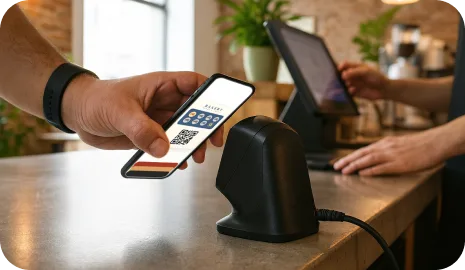
    开始 with the live 奖励, the 加入 point, and the validation flow. Make sure the 业务 and 客户 experience already work before adding automation on top.
    客户 side
    客户 still experience the same no-App 钱包 忠诚度 flow without added friction.
    业务 side
    The team confirms the core 忠诚度 loop is valuable before spending time on downstream system logic.
    上线 the 钱包 忠诚度 工作流 第一
  2. 第 2 步 02

    选择 the one event worth connecting

    示例s include a 客户 reaching a 奖励, redeeming a voucher, or crossing a milestone that should trigger a CRM segment or 员工 alert.

    客户 side
    The 客户 sees a cleaner, faster 忠诚度 experience because the automation happens behind the scenes.
    业务 side
    The 业务 avoids building five connections when one event already solves the real reporting or marketing need.
    选择 the one event worth connecting
  3. 第 3 步 03

    Send the event through webhook, API, or Zapier

    Pick the right level of effort for the team. 否-code automation works for many use cases, while direct API work fits more custom system logic.

    客户 side
    否thing changes in the saved 钱包 卡 experience during the handoff to another system.
    业务 side
    The integration becomes a service layer around 忠诚度 instead of the thing that defines the entire program.
    Send the event through webhook, API, or Zapier
  4. 第 4 步 04

    Use the connected data to improve retention or reporting

    Once the event lands in the downstream tool, the 业务 can trigger a follow-up message, enrich 客户 records, or measure 忠诚度 performance with less manual work.

    客户 side
    客户 receive more relevant communication because 忠诚度 activity can feed the systems already managing follow-up.
    业务 side
    The team gets a better operational view of which 访问, 奖励, or triggers are creating repeat revenue.
    Use the connected data to improve retention or reporting

Who should use integrations 第一?

This feature is most valuable when the 业务 already uses a second system that should react to 忠诚度 events, or when a partner manages 忠诚度 inside a wider 客户 stack.

01

Operators with an existing CRM or lifecycle tool

A webhook or Zapier flow can push 忠诚度 milestones into a place where 客户 follow-up is already happening.

02

Agencies and consultants managing retention 工作流

Partners can connect 忠诚度 events to dashboards, reporting, or 活动 systems without rebuilding the 钱包 忠诚度 设置 itself.

03

Multi-location brands that want better reporting

忠诚度 data becomes easier to compare or segment when it can flow into a central reporting layer after 上线.

API and automation vs manual 忠诚度 follow-up

Manual 工作流 can be enough when volume is tiny. 集成 become more valuable when 忠诚度 should influence reporting, CRM, or triggered communication consistently.

01

Speed after each event

API, Webhooks, or Zapier
忠诚度 events can move automatically into the 下一步 system step
Manual exports and follow-up
Someone has to pull data, interpret it, and act on it later
02

Consistency

API, Webhooks, or Zapier
The same trigger can 创建 the same downstream action every time
Manual exports and follow-up
Execution quality depends more heavily on who remembered to do the task
03

Best use

API, Webhooks, or Zapier
Ongoing CRM, reporting, segmentation, or 工作流 automation around repeat 访问
Manual exports and follow-up
Low-volume setups where downstream actions are still rare and informal
04

Rollout caution

API, Webhooks, or Zapier
Add only the automations that clearly reduce work or improve visibility
Manual exports and follow-up
Manual steps stay simpler at 第一 but become harder to scale cleanly

API, Webhooks and Zapier FAQ

Do I need a developer to use 7stamp?

否. The core 忠诚度 设置 can run without custom development. API, Webhooks, and Zapier are optional layers for businesses that want 忠诚度 events to feed other tools or 工作流.

Can I 开始 with Zapier or another no-code tool 第一?

支持. That is often the most practical 第一 step. Many teams learn what they actually need from 简单 automation before deciding whether deeper API work is worth it.

What kinds of events are useful to connect?

Useful examples include a 印章 being earned, a 奖励 being reached, a voucher being issued, a voucher being redeemed, or another 忠诚度 milestone that should change reporting or follow-up.

Should integrations come before the 第一 忠诚度 上线?

Usually no. It is safer to prove the 奖励, 加入 flow, and counter 工作流 第一, then connect only the downstream events that will clearly improve 运营 or retention.

下一页 step

Turn this page into a live 钱包 忠诚度 设置

上线 one 钱包 卡, one 清除 奖励, and one validation 工作流 第一. 7stamp can 开始 简单, then grow into 代金券, reminders, 活动, and no-code integrations when the 业务 is ready.