Quy trình feature

lái tự động Mode: Trung thành Quétning Without Slowing the Queue

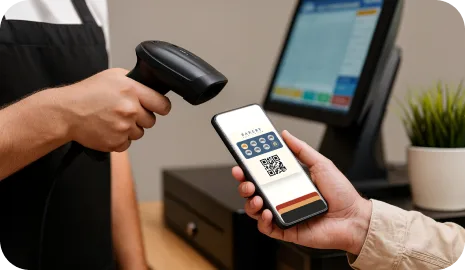
lái tự động Mode adds tem in the background when khách hàng quét their thẻ with an external scanner. The queue keeps moving and the khách hàng can check phần thưởng progress later on their phone.

This quy trình is built for businesses where speed matters more than a long trung thành interaction at the counter. The khách hàng still uses the same Apple Ví or Google Ví thẻ, but the tem moment becomes a fast background step instead of a kiosk session or nhân viên conversation.

Background tem validation External scanner at the counter Tốt nhất cho rush-hour queues Khách hàng checks progress on the phone
Cập nhật lần cuối

Equipment and counter thiết lập checklist

lái tự động Mode works best when the quét moment is already part of the counter rhythm. The goal is not to build a second kiosk, but to add trung thành to the existing high-speed quy trình.

01

External scanner at the active counter

Use a scanner that already fits the counter thiết lập so nhân viên do not need to switch devices or move away from the order and thanh toán flow.

02

Clearly visible ví thẻ quét point

Khách hàng should immediately hiểu where to present the Apple Ví or Google Ví thẻ for the fastest possible quét.

03

Reliable browser or station connection

lái tự động depends on a steady connection so the tem can be processed in the background without forcing a manual retry in the middle of a queue.

04

Đơn giản phần thưởng expectation for nhân viên

The team should know whether the phần thưởng is simply tracked on the thẻ, revealed later, or handed off through a separate Smart Voucher or Redeem Code flow.

05

Fallback assisted option

Keep a backup path for đầu tiên-time khách hàng or unusual cases so a missed quét does not become a stressful counter moment.

How lái tự động Mode works in a busy queue

The ideal lái tự động flow is short, predictable, and almost invisible to the rest of the line. Khách hàng get trung thành credit without turning checkout into a long extra step.

  1. Bước 1 01

    The khách hàng joins once and saves the thẻ

    On the đầu tiên visit, the khách hàng scans a QR code and saves the trung thành thẻ to Apple Ví or Google Ví for future use.

    The khách hàng joins once and saves the thẻ
  2. Bước 2 02

    At the tiếp theo visit, the khách hàng opens the ví thẻ

    The saved thẻ is ready on the phone before or during checkout, so the khách hàng does not need to tìm kiếm for a separate ứng dụng or login.

    At the tiếp theo visit, the khách hàng opens the ví thẻ
  3. Bước 3 03

    The thẻ is scanned with the external scanner

    The quét happens at the active counter while the nhân viên continues the service flow. The trung thành moment stays short and does not depend on a shared kiosk screen.

    The thẻ is scanned with the external scanner
  4. Bước 4 04

    7stamp adds the tem in the background

    lái tự động Mode records the visit in the background so the queue can keep moving instead of waiting for a long on-screen phần thưởng interaction.

    7stamp adds the tem in the background
  5. Step 5 05

    The khách hàng checks progress or phần thưởng status on the phone

    After the quét, the khách hàng can see đã cập nhật progress and any phần thưởng outcome on the ví thẻ without interrupting the tiếp theo order in line.

    The khách hàng checks progress or phần thưởng status on the phone

Best industries for lái tự động Mode

lái tự động Mode is strongest where speed, repeat traffic, and short transactions matter more than a guided trung thành experience at the counter.

01

Coffee shops and morning rush counters

A nhanh quét is easier to fit into a coffee queue than a longer kiosk step, especially when many regulars arrive in a short time window.

02

Bakeries and takeaway counters

The quy trình fits businesses with fast-moving orders, frequent repeat khách hàng, and limited room for a second interaction surface near checkout.

03

Food halls, pickup windows, and express service points

lái tự động helps when the team should stay focused on order handoff and speed while trung thành quietly runs in parallel.

04

Busy retail counters with short transactions

Useful for shops that want repeat-visit phần thưởng but do not want nhân viên to stop and explain a self-service tablet to each khách hàng.

lái tự động Mode vs Self-Service Kiosk

Both quy trình reduce nhân viên involvement compared with a fully nhân viên-led trung thành process, but they solve different counter realities. lái tự động is built for the fastest possible quét moment, while kiosk mode gives the khách hàng a more visible self-service interaction.

01

Primary goal

lái tự động Mode
Keep the live queue moving by making trung thành a background quét step
Self-Service Kiosk
Let khách hàng handle the trung thành interaction on a shared screen near checkout
02

Main hardware

lái tự động Mode
External scanner at the active counter or service station
Self-Service Kiosk
Khách hàng-facing tablet or browser screen positioned near checkout
03

Khách hàng action length

lái tự động Mode
Very short: present the ví thẻ and continue the order flow
Self-Service Kiosk
Longer: quét on the kiosk and follow the on-screen self-service step
04

Phần thưởng visibility moment

lái tự động Mode
The khách hàng checks đã cập nhật progress or phần thưởng status later on the phone
Self-Service Kiosk
The kiosk can show progress and the tiếp theo phần thưởng action immediately on screen
05

Best environment

lái tự động Mode
Rush-hour counters, tight spaces, short transactions, fast pickup
Self-Service Kiosk
Locations with a natural pause, extra space, or a self-service-friendly layout
06

Counter coaching needed

lái tự động Mode
Very little once khách hàng hiểu where to quét
Self-Service Kiosk
Low after adoption, but đầu tiên-time users may still need orientation to the kiosk

lái tự động Mode Câu hỏi thường gặp

What is lái tự động Mode?

lái tự động Mode is a high-speed trung thành quy trình for busy counters. Khách hàng quét their ví thẻ with an external scanner, and 7stamp adds the tem in the background so the queue keeps moving.

What businesses get the best results from lái tự động Mode?

lái tự động Mode works best for coffee shops, bakeries, takeaway counters, food pickup points, busy retail, and other high-traffic businesses where trung thành should not slow the line.

What equipment does lái tự động Mode need?

At minimum, you need the normal 7stamp ví thẻ flow plus an external scanner at the active counter and a stable connection for the background tem event.

How is lái tự động Mode different from Self-Service Kiosk?

lái tự động Mode is optimized for the shortest possible quét moment at a live counter. Self-Service Kiosk is better when khách hàng can spend a few extra seconds interacting with a shared tablet or browser screen near checkout.

Can khách hàng still see their phần thưởng progress in lái tự động Mode?

Có. The tem is added in the background, and the khách hàng can check đã cập nhật progress or phần thưởng status on the ví thẻ after the quét instead of holding up the queue.

Tiếp theo step

Turn rush-hour trung thành into one fast background step

If your team already operates in a high-speed counter environment, lái tự động Mode helps you keep the familiar tem-thẻ habit without turning checkout into a longer conversation.